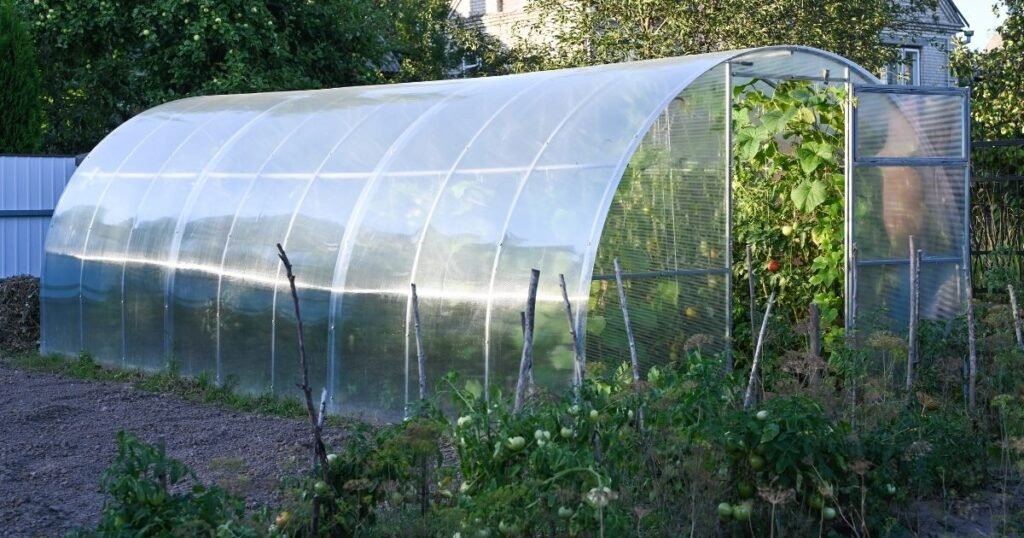
Growing your own food is one of the most practical ways to build real independence, whatever the economy does. You do not need a farm or years of experience. A greenhouse and a bit of planning can get you producing fresh vegetables year round, even on a small budget. This guide covers what you need to get started.
This page contains affiliate links. If you buy through them, we may earn a commission at no extra cost to you.
Table of Contents
- Why Growing Your Own Food Matters
- Greenhouse vs Open Garden: Which to Start With
- How Much Food You Can Realistically Grow
- Choosing the Right Greenhouse for Beginners
- Getting Started on a Small Budget
- Frequently Asked Questions
Why Growing Your Own Food Matters
Rising grocery prices have made many households reconsider where their food comes from. Growing even a portion of your own vegetables reduces your dependence on supply chains and price swings you cannot control. Beyond the financial angle, homegrown produce is fresher, free of the preservatives used for long distance shipping, and gives you direct control over how it is grown.
You do not need to replace your grocery shopping entirely. Even a modest setup, producing a meaningful share of your household’s vegetables, adds real resilience to your budget over time.
Greenhouse vs Open Garden
An open garden is cheaper to start and works well in warm climates with a long growing season. A greenhouse, on the other hand, extends your growing season significantly, protects plants from frost, pests, and unpredictable weather, and allows you to grow vegetables that would otherwise struggle in your local climate.
For most beginners aiming for consistent, year round results, a greenhouse is the more reliable starting point, even if the upfront cost is higher than a simple garden bed.
How Much Food You Can Realistically Grow
The amount of food you can grow depends heavily on available space, climate, and the crops you choose. As a general reference, a well managed greenhouse of a few hundred square feet can produce a meaningful share of a household’s vegetable needs for several months of the year, particularly for high yield crops like tomatoes, leafy greens, and peppers.
Start with a small number of crops you actually eat regularly, rather than trying to grow everything at once. This keeps the learning curve manageable and increases your chances of success in the first season.
Choosing the Right Greenhouse for Beginners
When comparing greenhouse options, pay attention to:
- Size, matched to your available space and goals, not the biggest one you can afford
- Material durability, polycarbonate panels generally outlast plastic film covers
- Ventilation, proper airflow prevents mold and overheating
- Ease of assembly, especially important if you are setting it up yourself without help
Getting Started on a Small Budget
You do not need to buy every tool and accessory at once. Start with the essentials: a greenhouse or garden bed, quality soil, seeds or starter plants, and a reliable watering method. Many successful backyard growers add composting, irrigation systems, and season extension tools gradually, as their garden grows.
FAQ
How much does it cost to start a backyard greenhouse garden?
Costs vary widely depending on greenhouse size and materials, but a functional beginner setup can be achieved for a few hundred to around a thousand dollars, including the structure itself and basic gardening supplies.
Can I grow food year round in a greenhouse?
In most climates, yes, though colder regions may need supplemental heating for winter growing. Even without heating, a greenhouse significantly extends the growing season compared to an open garden.
Do I need gardening experience to start?
No. Starting with a few easy, forgiving crops such as tomatoes, lettuce, and herbs is a practical way to build confidence and skills before expanding to more demanding vegetables.
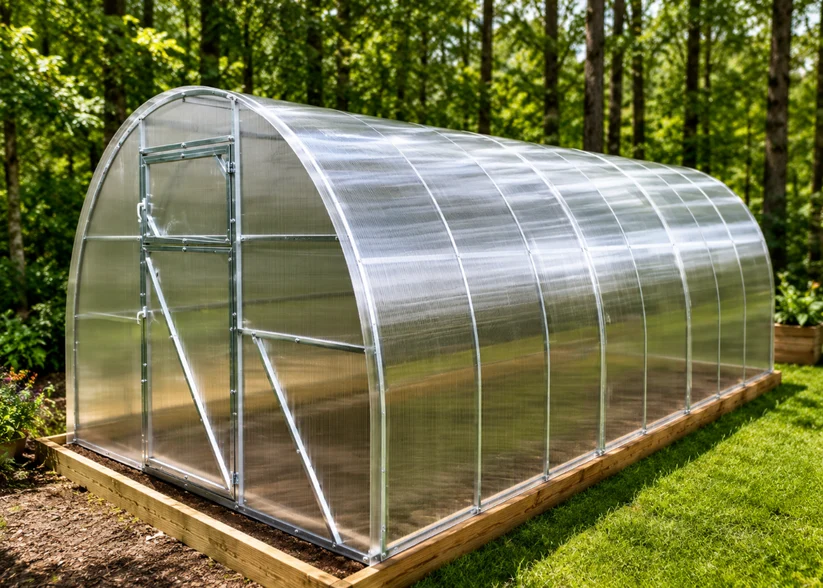
We recommend the Camellia Reinforced Greenhouse (10′ x 13′) from GreenhouseToGrow, starting at $1,499, featuring a galvanized steel frame and double wall 4mm polycarbonate panels. GreenhouseToGrow also offers 0% APR financing over 6 months.
This is an affiliate link. If you make a purchase, we may earn a commission at no extra cost to you.