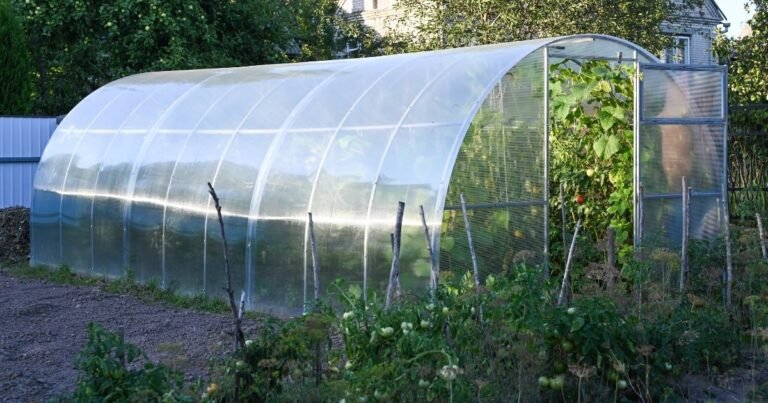
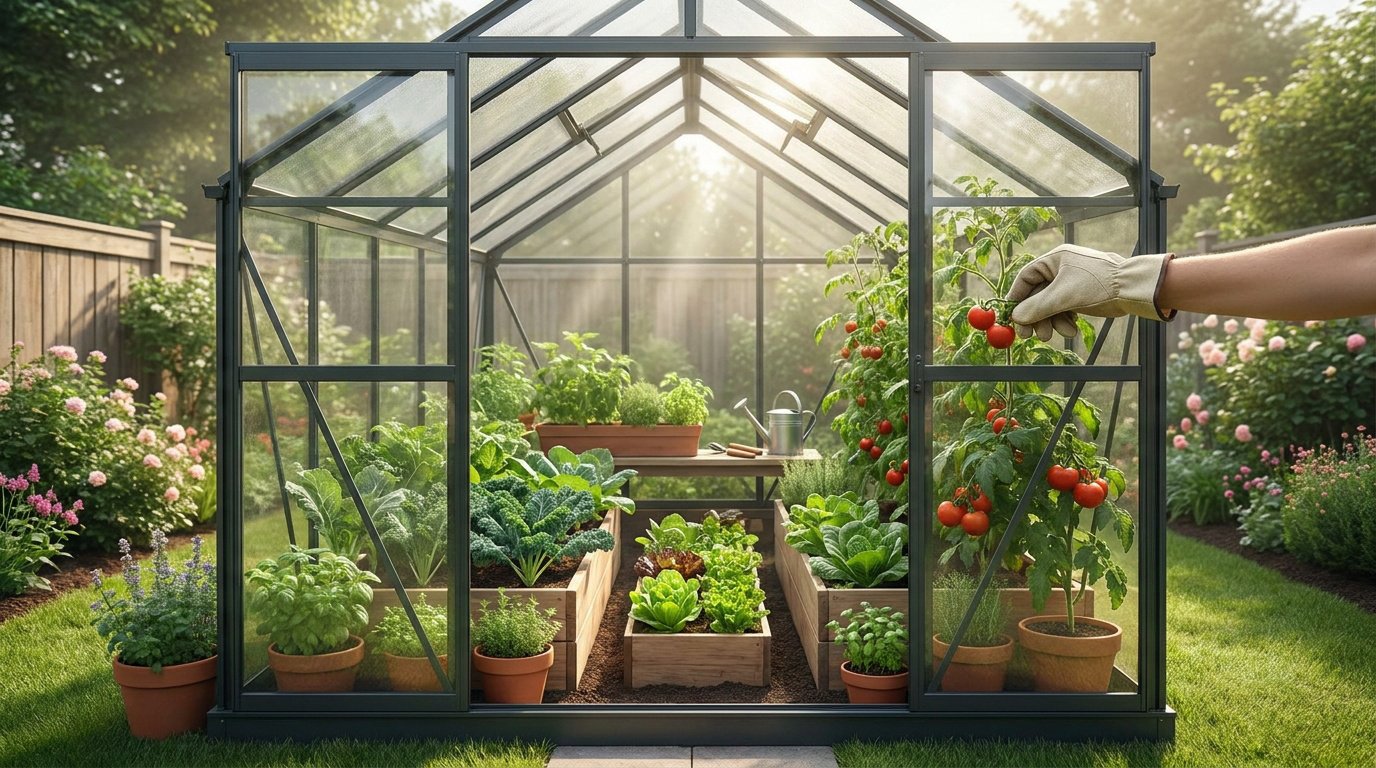
How to start a greenhouse for vegetables at home
💡Key takeaway:
A backyard greenhouse creates a controlled microclimate that shields crops from frost and pests while making every watering session go further. By using physical barriers and stable warmth, beginners can achieve year-round harvests of tender greens and high-yield tomatoes. Proper ventilation and drip irrigation ensure a healthy ecosystem, maximizing food production with minimal chemical use or effort. Greenhouse tomatoes typically produce significantly more than open field growing.
Using a greenhouse for vegetables acts as a physical fortress that stabilizes temperatures and blocks pests. I will help you master the basics of climate control and select the best starter crops to ensure your first harvest is a success.
- Greenhouse For Vegetables: Why It Changes Your Food Game
- 4 Best Vegetables To Grow In A Greenhouse For Beginners
- Getting The Basics Right For Greenhouse Vegetables Growing
- Where To Buy Your First Backyard Setup
Greenhouse For Vegetables: Why It Changes Your Food Game
Backyard greenhouses extend growing seasons by shielding crops from frost, and the enclosed environment means far less water is lost to evaporation compared
to open fields. This controlled environment protects vegetables from physical damage while naturally reducing pest pressure for cleaner, year-round harvests.
Benefits
- Extended growing seasons
- Protection from frost and hail
- Reduced pest infestations
- Higher quality produce
Challenges
- Initial setup effort
- Daily temperature monitoring
- Need for consistent watering
Beating The Frost And Extending Seasons
Greenhouses work by trapping solar heat within their walls. This creates a cozy microclimate that completely defies local frost dates. You can start your seeds weeks earlier than your neighbors.
Physical protection is a massive advantage here. Wind and hail often ruin exposed gardens overnight. The greenhouse acts as a sturdy shield for delicate stems. Your plants stay upright and healthy regardless of the sudden spring storms outside.
Stability leads to much higher yields. Consistent warmth prevents the growth stalls caused by cold nights. It essentially gives you a head start on the entire food growing season.
Investing in your setup is the first step to grow your own food successfully. It secures your family’s fresh supply.
Once you have mastered the climate, your next focus should be the small intruders that want a piece of your harvest.
Keeping Pests Away From Your Dinner
A closed door is your first line of defense. It stops rabbits, deer, and larger intruders instantly. You won’t find your lettuce half-eaten by local wildlife tomorrow morning.
Insects find it harder to colonize these spaces. While not perfectly bug-proof, the barrier significantly slows down infestations. This naturally lowers your reliance on sprays or heavy chemical interventions.
Smart gardeners use integrated pest management strategies. This ecosystem approach combines physical and biological controls. It ensures a healthy production with minimal pesticides. Farmers using these methods see a major drop in chemical use.
A greenhouse serves as a physical fortress, keeping your dinner safe from both the elements and hungry garden intruders.
4 Best Vegetables To Grow In A Greenhouse For Beginners
Selecting the right crops is the secret to avoiding early frustration; some plants simply love the extra humidity and warmth more than others. In fact, choosing the wrong variety early on is exactly how most new gardeners lose their motivation before the first harvest.
Leafy Greens For Quick Wins
Lettuce and spinach are perfect for beginners. They grow incredibly fast in protected soil. You can often harvest your first salad within just a few short weeks.
Greenhouse leaves stay much more tender. They don’t face the harsh wind that toughens outdoor greens. The result is a superior texture that store-bought bags cannot match at all.
- Butterhead lettuce for soft leaves
- Spinach for iron-rich harvests
- Arugula for a peppery kick
- Kale for winter endurance
These greens thrive in the filtered light. They provide a constant stream of food with very little daily maintenance required.
Heat-Loving Tomatoes And Peppers
Tomatoes absolutely crave the trapped heat. In a greenhouse, they ripen faster and develop deeper sugars. This leads to that classic, sun-drenched flavor everyone wants in summer.
Greenhouse tomatoes generally produce significantly more per plant than the same
variety grown outdoors, thanks to the stable temperature and protection from wind damage. The controlled environment maximizes every single plant’s potential. You really see the difference in fruit size and quantity.
Peppers also benefit from the lack of temperature swings. They stay productive longer into the autumn months. You will enjoy a much higher quality of fruit until the deep winter.
But you might wonder, are backyard greenhouses worth it for just a few plants? The extended harvest season usually answers that question quickly.
Root Crops That Prefer The Shelter
Radishes and carrots enjoy the soft, protected soil. Outside, heavy rain often creates a hard crust. This crust makes it difficult for small roots to expand and grow properly. Inside, the moisture levels remain much more consistent. This prevents the “woody” texture found in stressed root vegetables. Your harvest remains crunchy, sweet, and perfectly formed every time you pull one.
| Vegetable | Growth Speed | Difficulty | Best Season |
|---|---|---|---|
| Lettuce | Fast | Easy | Spring |
| Tomato | Slow | Moderate | Summer |
| Radish | Fast | Easy | Spring |
| Bell Pepper | Slow | Moderate | Summer |
Getting The Basics Right For Greenhouse Vegetables Growing
While the structure does the heavy lifting, you still need to master the internal climate to keep your plants from wilting or molding.
Managing Light And Ventilation Naturally
Airflow is the heartbeat of a healthy greenhouse. Without it, humidity builds up and invites mold. You must keep the air moving to strengthen plant stems effectively.
Proper airflow removes excess heat and renews carbon dioxide. Experts recommend ventilation for greenhouse vegetables. Vents should cover roughly 15 to 20 percent of the floor area. This ensures a complete air refresh every single minute.
Open vents early in the morning to prevent heat spikes and ensure air refresh every minute to strengthen stems.
Sunlight can sometimes become too intense in mid-summer. Use simple shade cloths to prevent leaf scorch. This balance keeps the internal temperature within a safe, productive range.
Watering Schedules That Do Not Drown Roots
Watering inside is different than in the yard. The high humidity means plants often transpire less. You must check the soil depth before reaching for the garden hose.
Protected crops need far less water overall than open field growing, since the enclosed structure limits evaporation. Pairing this with a drip irrigation system
is widely considered one of the most efficient ways to water greenhouse crops, since it delivers moisture directly to the roots with minimal waste.
Overwatering is a common mistake for new growers. Soggy roots lead to rot and yellowing leaves. Aim for consistent dampness rather than a daily soaking of the beds.
Precision in watering is the difference between a thriving greenhouse and a swampy mess that invites disease.
Greenhouse Benefits
- Faster growth rates
- Protection from frost
- Reduced pest pressure
Common Challenges
- High humidity risks
- Heat accumulation
- Root rot potential
Where To Buy Your First Backyard Setup
Turning the dream into reality requires choosing a kit that fits your lifestyle and your backyard’s actual dimensions. It is about matching your space with your food goals.
Choosing The Right Size For Your Space
Measure your available sunlight first. A small greenhouse in the shade is useless. Ensure you have a flat spot with at least six hours of light. Start with a manageable footprint. A 10×13 foot kit is often perfect for beginners. It provides enough room for several crops without becoming a full-time job. Think about your family’s actual food needs. Don’t build a farm if you only want fresh salad greens. Leave space around the exterior for maintenance.
Quick Setup Checklist
- Measure sunlight: Find a spot with at least 6 hours of daily sun.
- Find a flat spot: Ensure the ground is level for stability.
- Choose a kit: A 10×13 foot size is highly recommended for beginners.
Finding Reliable Kits And Materials
I highly recommend looking at the GreenhouseToGrow Camellia for your first kit. This 10×13 foot polycarbonate greenhouse is specifically designed for beginners, with an easy assembly process and a sturdy structure that handles typical backyard weather well.
Don’t forget the essential accessories. A simple thermometer is your most important tool. Basic shelving also helps you maximize the vertical space for smaller starter pots. Quality materials prevent early heartbreak after the first storm. Investing in a solid kit saves you money on repairs in the long run. Check local reviews. Real user feedback is always invaluable.
A greenhouse for vegetables creates a stable microclimate that shields your crops from frost and pests while making every drop of water go further. Start with easy greens or tomatoes in a small kit to enjoy faster, high-quality harvests year-round, and watch your garden thrive regardless of the weather outside.
FAQ
Is it really possible for a beginner to grow vegetables in a backyard greenhouse?
Absolutely! Growing your own food in a greenhouse is a fantastic and achievable project for any beginner. These structures act like a protective shield, trapping solar heat to create a stable microclimate that defies frost and harsh winds. It takes the guesswork out of gardening by giving you a controlled environment where plants can thrive without the stress of unpredictable weather.
By starting with a manageable setup, like a 10×13 foot kit, you can easily master the basics. You will find that vegetables grow faster and stay healthier than they would in an open field. It is a very rewarding way to ensure a steady supply of fresh, clean produce right from your own backyard.
Which vegetables are the easiest to start with in a greenhouse?
For quick wins, I always recommend starting with leafy greens like lettuce, spinach, and kale. These crops grow incredibly fast in protected soil, often allowing you to harvest your first home-grown salad in just a few weeks. They love the filtered light and stay much more tender than outdoor greens because they aren’t toughened by the wind.
If you want to grow summer favorites, tomatoes and peppers are perfect because they crave the extra heat a greenhouse provides. You can also have great success with root crops like radishes and carrots. The soil inside stays soft and consistent, which prevents roots from becoming woody and ensures a sweet, crunchy harvest every time.
How do I keep my greenhouse plants healthy and avoid common mistakes?
The secret to a thriving greenhouse is managing airflow and moisture. You must keep the air moving to prevent humidity build-up, which can lead to mold. A good rule of thumb is to open your vents early in the morning to refresh the air and strengthen your plant stems. Using simple shade cloths during the peak of summer will also protect delicate leaves from being scorched by intense sunlight.
When it comes to watering, remember that greenhouse plants often need less than those outside because of the higher humidity. Always check the soil depth before watering to avoid soggy roots, which can cause rot. Using a drip irrigation system is a smart move for beginners, as it delivers moisture precisely where it is needed and can significantly improve your water efficiency.
What should I look for when buying my first greenhouse kit?
When choosing your first setup, look for a kit that is durable and easy to assemble. I recommend brands like GreenhouseToGrow, as they specialize in beginner-friendly designs. Make sure you select a spot in your yard that gets at least six hours of sunlight and has a flat surface for stability. Investing in quality materials like polycarbonate panels or tempered glass will save you from heartbreak during the first big storm.
Don’t forget to include a few essential accessories to make your life easier. A simple thermometer is your most important tool for monitoring the internal climate. Also, consider adding basic shelving to maximize your vertical space, allowing you to grow even more delicious vegetables in a smaller footprint.