
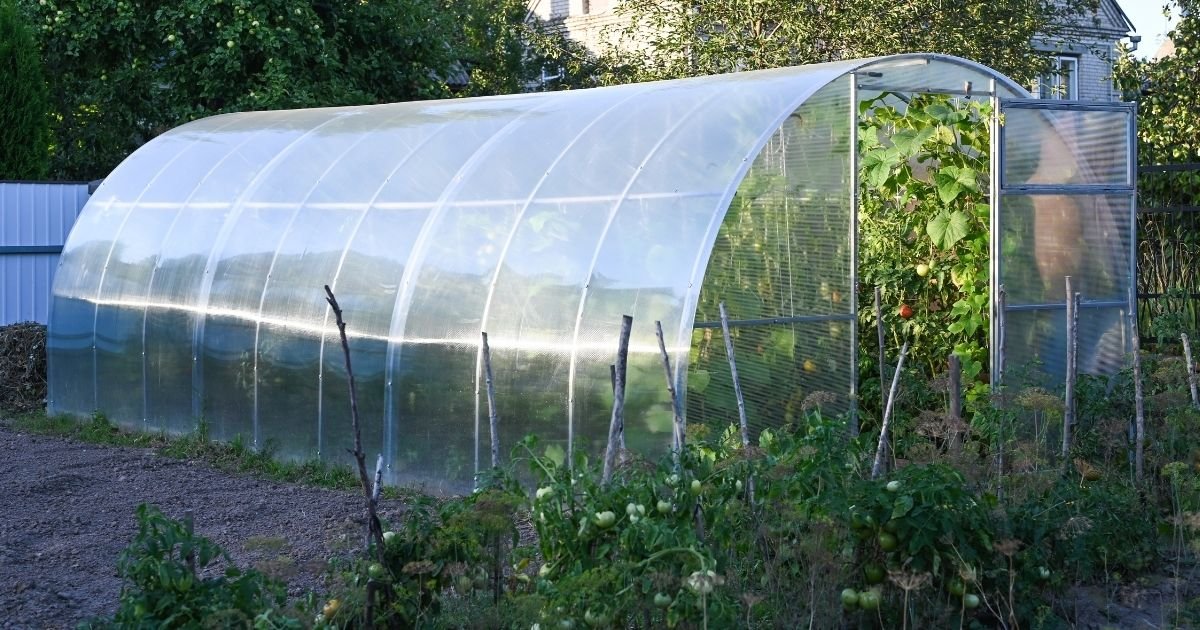
Are Backyard Greenhouses Worth It? Honest Pros and Cons
Thinking about a backyard greenhouse? Here’s an honest look at the real benefits, downsides, and whether it’s worth the investment.
This page contains affiliate links. If you buy through them, we may earn a commission at no extra cost to you.
What Are the Real Benefits of a Backyard Greenhouse
Get an Earlier Start and a Longer Growing Season
A greenhouse doesn’t guarantee true year round growing everywhere in the US, colder climates will still have real limits. What it does reliably offer is a head start on spring planting and a significantly extended season into fall, since your plants are protected from late frosts and early cold snaps.
Tomatoes and peppers, for example, do particularly well in a greenhouse through spring, summer, and fall, but still need enough natural daylight to keep producing fruit through the darkest winter months, something a greenhouse alone can’t fully replace without added heating and grow lights. Garlic and onions can also benefit from an earlier start in the greenhouse before being moved outdoors.
The realistic takeaway: expect a wider range of what you can grow and when, not an unlimited growing season regardless of what’s outside.
Protect Plants From Pests and Unpredictable Weather
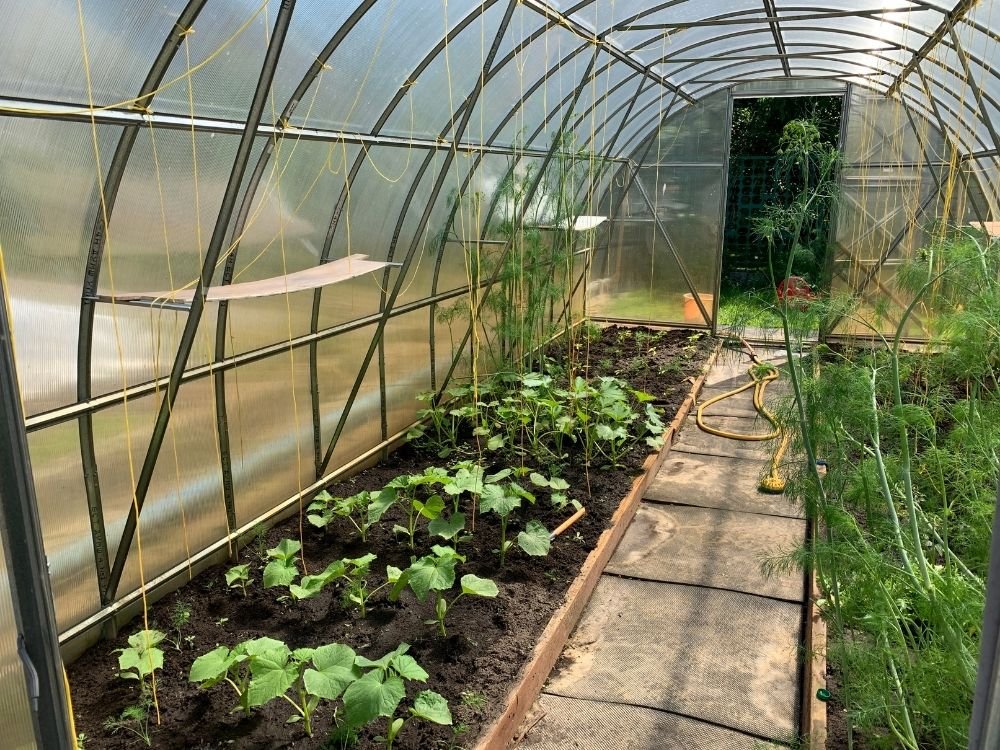
A greenhouse creates a controlled environment that shields your plants from wind, hail, sudden temperature drops, and many common garden pests. This means fewer lost crops and more consistent results, especially if you’ve struggled with unpredictable weather ruining an outdoor garden in the past.
It also gives you more control over watering and humidity, which can make growing certain vegetables significantly easier than in an open garden.
What Are the Downsides of Using a Greenhouse
Upfront Cost and Maintenance
A quality greenhouse is a real investment, not an impulse purchase. Depending on size and materials, you’re often looking at several hundred to a few thousand dollars. Maintenance also adds up over time. Panels need cleaning, structures need occasional repairs, and depending on your climate, you may need to reinforce the frame against snow load or strong wind. It’s not a “set it and forget it” purchase.
Risk of Overheating Without Proper Ventilation
One of the biggest risks with a greenhouse isn’t cold, it’s heat. On sunny days, a greenhouse can overheat quickly, even in relatively mild weather, stressing or damaging plants faster than an unprotected outdoor garden would. This means a greenhouse isn’t a “set it and walk away” solution. It requires regular attention from the gardener, opening vents or doors when temperatures rise, and closing them back up as conditions change. This does require a real time commitment, worth factoring in before buying.
Do Greenhouses Stay Cool in Summer
Not on their own. A greenhouse traps heat by design, which helps in cooler months but can turn it into an oven in summer if left closed up.
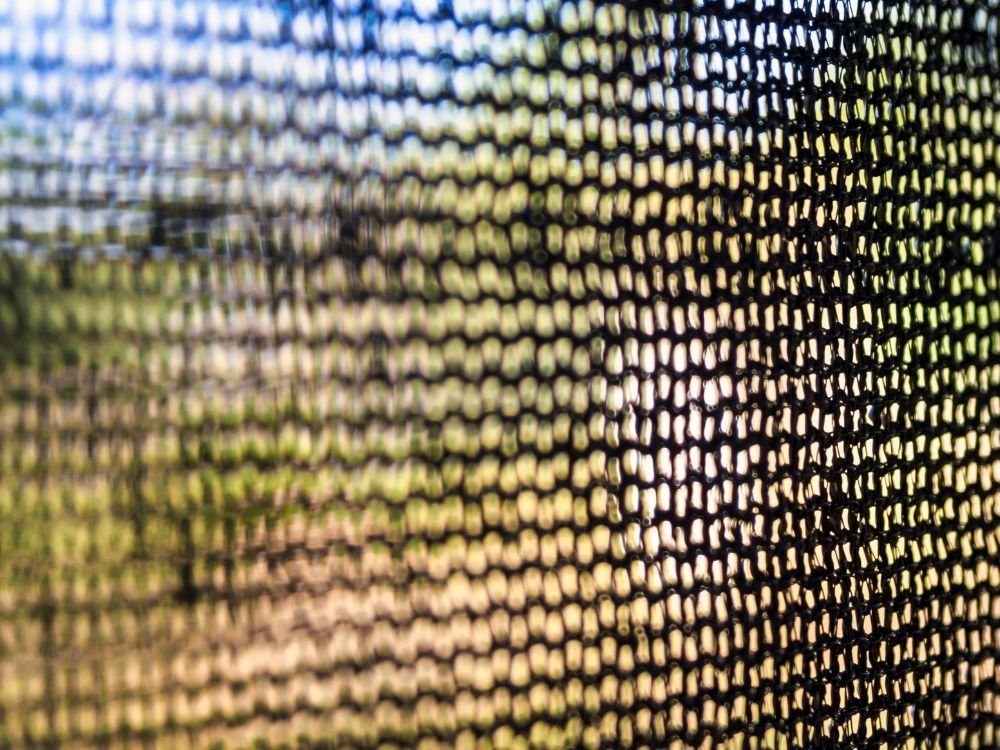
Shade cloth is the simplest fix, cutting direct sun and lowering inside temperatures significantly. Combined with opening vents early in the morning to release built up heat, it keeps the greenhouse usable through summer instead of becoming too hot for plants to survive.
How Long Do Greenhouses Last, and Is the Investment Worth It
A well built greenhouse can last 10 to 20 years or more, depending on the materials and how well it’s maintained. Aluminum frames with polycarbonate panels tend to hold up better over time than cheaper plastic film models, which often need replacing within a few seasons.
Whether it’s worth the investment comes down to how consistently you use it. A greenhouse that sits mostly empty after the first spring isn’t paying for itself, but one that’s actively used for an extended growing season, healthier plants, and even modest food independence can offset its cost over several years, especially as grocery prices continue to climb.
Our Recommendation: Choosing the Right Greenhouse
If you’ve weighed the pros and cons above and a greenhouse still makes sense for your goals, choosing the right one matters. Look for a sturdy frame, polycarbonate panels over plastic film for durability, and a size that matches how much you actually plan to grow.
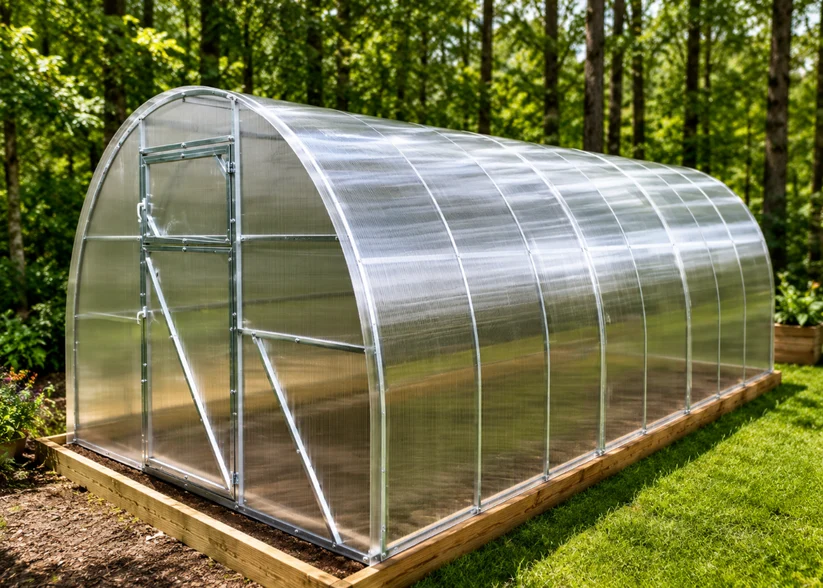
We recommend the Camellia Reinforced Greenhouse (10′ x 13′) from GreenhouseToGrow, starting at $1,499. It features a galvanized steel frame built to withstand winds up to 65 mph and snow loads up to 5 feet, with double wall 4mm polycarbonate panels for UV protection and better heat retention. It’s backed by a 3 year frame warranty and a 10 year polycarbonate warranty, and no foundation is required for setup.
Autonomy Tip: GreenhouseToGrow offers 0% APR financing, meaning you can lock in your food independence today for as low as $249.83/month over 6 months, with no interest at all.
This is an affiliate link. If you make a purchase, we may earn a commission at no extra cost to you.
Frequently Asked Questions
Will an unheated greenhouse keep plants from freezing?
It helps, but it’s not a guarantee. An unheated greenhouse typically stays several degrees warmer than outside air, which can protect against light frost. In a hard freeze, though, plants inside can still be damaged without additional protection like frost cloth or a small heater.
How much does a backyard greenhouse cost?
Prices vary widely based on size and materials, ranging from a few hundred dollars for a basic kit to a few thousand for a larger, more durable structure. Polycarbonate panels and metal frames generally cost more upfront but last longer than plastic film alternatives.
Do I need a permit to install a backyard greenhouse?
In many areas, small greenhouses under 120 to 200 square feet are exempt from a building permit, based on a common size threshold used across the US. That said, rules vary significantly by city and county, and separate zoning restrictions may still apply. It’s worth checking with your local building department before installing anything permanent.